Buy italië.be ?
We are moving the project
italië.be .
Are you interested in purchasing the domain
italië.be ?
domain@kv-gmbh.de · 0541-91531010
Buy italië.be ?
'Will + participle 2?'
"Will + participle 2" is a construction used to form the future perfect tense in English. It is used to indicate an action that will be completed before a specific point in the future. This construction is formed by using the auxiliary verb "will" followed by the past participle of the main verb. For example, "By the time you arrive, I will have finished my homework." **
What are the Latin forms of the present participle, perfect passive participle, and future active participle?
The Latin present participle is formed by adding -ns, -ntis to the present stem of the verb. For example, the present participle of the verb "amo" (I love) is "amans, amantis" (loving). The perfect passive participle is formed by adding -us, -a, -um to the verb stem. For example, the perfect passive participle of the verb "amo" is "amatus, amata, amatum" (loved). The future active participle is formed by adding -urus, -ura, -urum to the verb stem. For example, the future active participle of the verb "amo" is "amaturus, amatura, amaturum" (about to love). **

Similar search terms for Participle
Top-Angebote
Products related to Participle:
-
label.m Fashion Edition spray brillance 200 mllabel.m Fashion Edition, 200 ml, Sprays pour cheveux pour femme, Le soin sans rinçage label.m Fashion Edition s’applique sur vos cheveux fraîchement lavés, il leur apporte tout ce dont ils ont besoin. Le produit : laisse vos cheveux magnifiquement brillants et pleins de vitalité offre une souplesse très soyeuse ne sollicite pas les cheveux Composition du produit : huile d’argan Mode d’emploi : Appliquez sur les cheveux fraîchement lavés et séchés avec une serviette. Ne rincez pas.20,25 €*Shipping: 3,45 €Secure redirect to the provider
-
b.box Gelato Cup tasse avec paille Ocean 1 pcsb.box Gelato Cup, 1 pcs, Tasses pour enfants pour enfant, Vous voulez que votre enfant développe la bonne habitude de s’hydrater régulièrement ? La tasse pour enfant b.box Gelato Cup, adaptée aux petites mains des enfants, vous facilitera la tâche. En outre, son design amusant plaire à votre enfant Le produit : format pratique ne se renverse pas avec paille avec poignées facile à nettoyer pratique et légère Matériaux : sans bisphénol A16,50 €*Shipping: 3,45 €Secure redirect to the provider
-
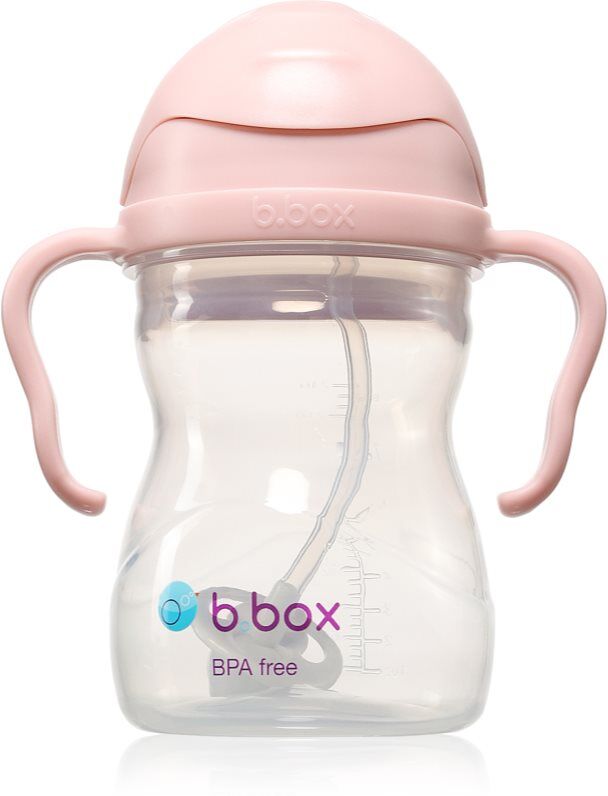
B.Box Gelato Cup tasse avec paille Blush 1 pcsB.Box Gelato Cup, 1 pcs, Tasses pour enfants pour enfant, Vous voulez que votre enfant développe la bonne habitude de s’hydrater régulièrement ? La tasse pour enfant B.Box Gelato Cup, adaptée aux petites mains des enfants, vous facilitera la tâche. En outre, son design amusant plaire à votre enfant Le produit : format pratique ne se renverse pas avec paille avec poignées facile à nettoyer pratique et légère Matériaux : sans bisphénol A16,50 €*Shipping: 3,45 €Secure redirect to the provider


-
What are participle clauses?
Participle clauses are a type of clause that uses a present participle (-ing form) or a past participle (-ed form) to provide additional information about the subject of the main clause. They can be used to show simultaneous actions, cause and effect, or to provide descriptive details. For example, in the sentence "Feeling tired, she decided to go to bed," the participle clause "Feeling tired" provides additional information about the subject "she." **
-
What is a participle?
A participle is a form of a verb that can function as an adjective or be part of a verb phrase. There are two types of participles in English: the present participle, which ends in -ing (e.g. "walking"), and the past participle, which can end in -ed, -en, -d, -t, -n, or -ne (e.g. "broken"). Participles are used to modify nouns or pronouns, and they can also be used to form verb tenses such as the present perfect or past perfect. **
-
What is the difference between the past participle and the present participle?
The past participle is a verb form used to indicate a completed action or state that occurred in the past. It is often used with auxiliary verbs to form the perfect tenses (e.g., "has eaten," "had gone"). The present participle, on the other hand, is a verb form used to indicate an ongoing action or state in the present or future. It is formed by adding "-ing" to the base form of the verb and is used to create the progressive tenses (e.g., "is eating," "will be going"). **
-
How can the terms premature, simultaneous, and subsequent be explained in relation to past participle, present participle, and future participle?
The terms premature, simultaneous, and subsequent can be explained in relation to past participle, present participle, and future participle based on their timing in relation to the action of the verb. The past participle refers to an action that has already been completed, making it premature in relation to the present moment. The present participle refers to an action that is happening at the same time as something else, making it simultaneous. The future participle refers to an action that will happen at a later time, making it subsequent to the present moment. These terms help to clarify the timing of the action in relation to the verb. **


What is a substantivized participle?
A substantivized participle is a verb form that has been turned into a noun by adding a definite article and declining it for case, gender, and number. In other words, it is a participle that has been transformed into a noun and can function as a subject, object, or complement in a sentence. This process allows the participle to take on the characteristics of a noun while still retaining some of its verbal qualities. **
What is a nominalized participle?
A nominalized participle is a verb form that has been turned into a noun. This is done by adding a suffix to the participle form of the verb, which allows it to function as a noun in a sentence. Nominalized participles are commonly used in various languages to express actions or qualities in a more abstract or general way. **
Top-Angebote
Products related to Participle:
-
HOFF Baskets Art BlueDétails produit • Usage sportswear • Talon plat • Fermeture : A lacets Composition et Entretien • Dessus/Tige : 95% cuir, 5% autres matériaux • Doublure : 100% polyester • Semelle intérieure : 80% textile, 20% eva • Semelle extérieure : 80% eva, 20% caoutchouc140,00 €*Shipping: 3,99 €Secure redirect to the provider
-
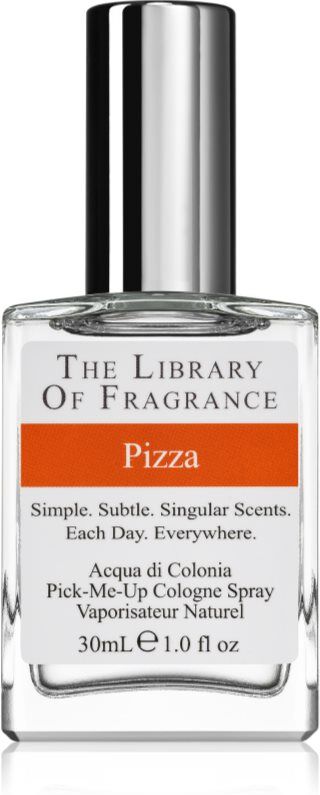
The Library of Fragrance Pizza eau de cologne mixte 30 mlThe Library of Fragrance Pizza, 30 ml, Eaux de Cologne mixte, L'eau de Cologne mixte The Library of Fragrance Pizza vous fera vivre une expérience inédite qui séduira vos sens. Découvrez un parfum d’exception qui soulignera à merveille votre personnalité. mixte : tant pour les femmes que pour les hommes un parfum unique qui se prête aux occasions spéciales21,50 €*Shipping: 3,45 €Secure redirect to the provider
-
label.m Fashion Edition spray brillance 200 mllabel.m Fashion Edition, 200 ml, Sprays pour cheveux pour femme, Le soin sans rinçage label.m Fashion Edition s’applique sur vos cheveux fraîchement lavés, il leur apporte tout ce dont ils ont besoin. Le produit : laisse vos cheveux magnifiquement brillants et pleins de vitalité offre une souplesse très soyeuse ne sollicite pas les cheveux Composition du produit : huile d’argan Mode d’emploi : Appliquez sur les cheveux fraîchement lavés et séchés avec une serviette. Ne rincez pas.20,25 €*Shipping: 3,45 €Secure redirect to the provider
-
'Will + participle 2?'
"Will + participle 2" is a construction used to form the future perfect tense in English. It is used to indicate an action that will be completed before a specific point in the future. This construction is formed by using the auxiliary verb "will" followed by the past participle of the main verb. For example, "By the time you arrive, I will have finished my homework." **
-
What are the Latin forms of the present participle, perfect passive participle, and future active participle?
The Latin present participle is formed by adding -ns, -ntis to the present stem of the verb. For example, the present participle of the verb "amo" (I love) is "amans, amantis" (loving). The perfect passive participle is formed by adding -us, -a, -um to the verb stem. For example, the perfect passive participle of the verb "amo" is "amatus, amata, amatum" (loved). The future active participle is formed by adding -urus, -ura, -urum to the verb stem. For example, the future active participle of the verb "amo" is "amaturus, amatura, amaturum" (about to love). **
-
What are participle clauses?
Participle clauses are a type of clause that uses a present participle (-ing form) or a past participle (-ed form) to provide additional information about the subject of the main clause. They can be used to show simultaneous actions, cause and effect, or to provide descriptive details. For example, in the sentence "Feeling tired, she decided to go to bed," the participle clause "Feeling tired" provides additional information about the subject "she." **
-
What is a participle?
A participle is a form of a verb that can function as an adjective or be part of a verb phrase. There are two types of participles in English: the present participle, which ends in -ing (e.g. "walking"), and the past participle, which can end in -ed, -en, -d, -t, -n, or -ne (e.g. "broken"). Participles are used to modify nouns or pronouns, and they can also be used to form verb tenses such as the present perfect or past perfect. **
Similar search terms for Participle
-
b.box Gelato Cup tasse avec paille Ocean 1 pcsb.box Gelato Cup, 1 pcs, Tasses pour enfants pour enfant, Vous voulez que votre enfant développe la bonne habitude de s’hydrater régulièrement ? La tasse pour enfant b.box Gelato Cup, adaptée aux petites mains des enfants, vous facilitera la tâche. En outre, son design amusant plaire à votre enfant Le produit : format pratique ne se renverse pas avec paille avec poignées facile à nettoyer pratique et légère Matériaux : sans bisphénol A16,50 €*Shipping: 3,45 €Secure redirect to the provider
-
B.Box Gelato Cup tasse avec paille Blush 1 pcsB.Box Gelato Cup, 1 pcs, Tasses pour enfants pour enfant, Vous voulez que votre enfant développe la bonne habitude de s’hydrater régulièrement ? La tasse pour enfant B.Box Gelato Cup, adaptée aux petites mains des enfants, vous facilitera la tâche. En outre, son design amusant plaire à votre enfant Le produit : format pratique ne se renverse pas avec paille avec poignées facile à nettoyer pratique et légère Matériaux : sans bisphénol A16,50 €*Shipping: 3,45 €Secure redirect to the provider
-
HOFF Baskets Art GreenDétails produit • Usage sportswear • Talon plat • Fermeture : A lacets Composition et Entretien • Dessus/Tige : 95% cuir, 5% autres matériaux • Doublure : 100% polyester • Semelle intérieure : 80% textile, 20% eva • Semelle extérieure : 80% eva, 20% caoutchouc140,00 €*Shipping: 3,99 €Secure redirect to the provider
-
HOFF Baskets Art GreenDétails produit • Usage sportswear • Talon plat • Fermeture : A lacets Composition et Entretien • Dessus/Tige : 95% cuir, 5% autres matériaux • Doublure : 100% polyester • Semelle intérieure : 80% textile, 20% eva • Semelle extérieure : 80% eva, 20% caoutchouc • CUIR ISSU DE TANNERIES AUX PERFORMANCES ENVIRONNEMENTALES CERTIFIÉES. La certification Leather Working Group (LWG) est une certification internationale de référence portant sur la performance environnementale des tanneries (consommation d’énergie et d’eau, rejets dans l’eau, émissions dans l’air, etc.).140,00 €*Shipping: 3,99 €Secure redirect to the provider
-
What is the difference between the past participle and the present participle?
The past participle is a verb form used to indicate a completed action or state that occurred in the past. It is often used with auxiliary verbs to form the perfect tenses (e.g., "has eaten," "had gone"). The present participle, on the other hand, is a verb form used to indicate an ongoing action or state in the present or future. It is formed by adding "-ing" to the base form of the verb and is used to create the progressive tenses (e.g., "is eating," "will be going"). **
-
How can the terms premature, simultaneous, and subsequent be explained in relation to past participle, present participle, and future participle?
The terms premature, simultaneous, and subsequent can be explained in relation to past participle, present participle, and future participle based on their timing in relation to the action of the verb. The past participle refers to an action that has already been completed, making it premature in relation to the present moment. The present participle refers to an action that is happening at the same time as something else, making it simultaneous. The future participle refers to an action that will happen at a later time, making it subsequent to the present moment. These terms help to clarify the timing of the action in relation to the verb. **
-
What is a substantivized participle?
A substantivized participle is a verb form that has been turned into a noun by adding a definite article and declining it for case, gender, and number. In other words, it is a participle that has been transformed into a noun and can function as a subject, object, or complement in a sentence. This process allows the participle to take on the characteristics of a noun while still retaining some of its verbal qualities. **
-
What is a nominalized participle?
A nominalized participle is a verb form that has been turned into a noun. This is done by adding a suffix to the participle form of the verb, which allows it to function as a noun in a sentence. Nominalized participles are commonly used in various languages to express actions or qualities in a more abstract or general way. **
* All prices are inclusive of VAT and, if applicable, plus shipping costs. The offer information is based on the details provided by the respective shop and is updated through automated processes. Real-time updates do not occur, so deviations can occur in individual cases. ** Note: Parts of this content were created by AI.