Buy italië.be ?
We are moving the project
italië.be .
Are you interested in purchasing the domain
italië.be ?
domain@kv-gmbh.de · 0541-91531010
Buy italië.be ?
What are the differences between covalent bonds, metallic bonds, and ionic bonds?
Covalent bonds are formed when two atoms share electrons, resulting in a strong bond between the atoms. Metallic bonds occur between metal atoms, where the electrons are delocalized and free to move throughout the structure, creating a strong bond. Ionic bonds are formed between a metal and a nonmetal, where one atom transfers electrons to the other, resulting in the formation of positively and negatively charged ions that are attracted to each other. Overall, covalent bonds involve electron sharing, metallic bonds involve electron delocalization, and ionic bonds involve electron transfer. **
Do CO bonds form with other CO bonds?
No, CO bonds do not typically form with other CO bonds. Carbon monoxide (CO) is a stable molecule with a triple bond between the carbon and oxygen atoms. This triple bond is strong and does not readily form additional bonds with other CO molecules. Instead, CO molecules tend to interact with other types of molecules through various types of chemical reactions. **


Similar search terms for Bonds
Top-Angebote
Products related to Bonds:
-
label.m Fashion Edition spray brillance 200 mllabel.m Fashion Edition, 200 ml, Sprays pour cheveux pour femme, Le soin sans rinçage label.m Fashion Edition s’applique sur vos cheveux fraîchement lavés, il leur apporte tout ce dont ils ont besoin. Le produit : laisse vos cheveux magnifiquement brillants et pleins de vitalité offre une souplesse très soyeuse ne sollicite pas les cheveux Composition du produit : huile d’argan Mode d’emploi : Appliquez sur les cheveux fraîchement lavés et séchés avec une serviette. Ne rincez pas.20,25 €*Shipping: 3,45 €Secure redirect to the provider
-
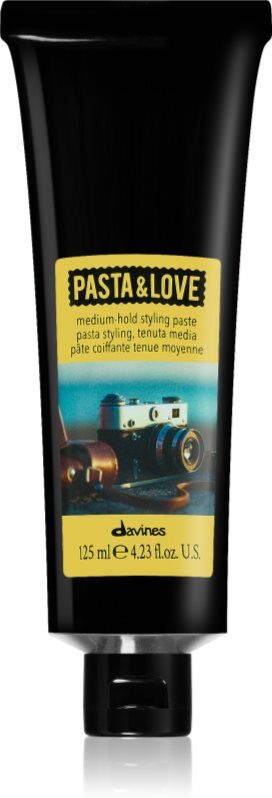
Davines Pasta & Love Medium-Hold Styling Paste pâte de définition 125 mlDavines Pasta & Love Medium-Hold Styling Paste, 125 ml, Pâtes coiffantes pour homme, Le produit de styling Davines Pasta & Love Medium-Hold Styling Paste deviendra un partenaire indispensable dans la création de votre coiffure. Le produit : fixe les cheveux dans la forme désirée assure une fixation moyenne propose un éclat très sain Mode d’emploi : Appliquez une petite quantité de produit sur les cheveux humides ou secs et créez la coiffure que vous désirez.30,90 €*Shipping: 3,45 €Secure redirect to the provider
-
B.Box Gelato Cup tasse avec paille Blush 1 pcsB.Box Gelato Cup, 1 pcs, Tasses pour enfants pour enfant, Vous voulez que votre enfant développe la bonne habitude de s’hydrater régulièrement ? La tasse pour enfant B.Box Gelato Cup, adaptée aux petites mains des enfants, vous facilitera la tâche. En outre, son design amusant plaire à votre enfant Le produit : format pratique ne se renverse pas avec paille avec poignées facile à nettoyer pratique et légère Matériaux : sans bisphénol A16,50 €*Shipping: 3,45 €Secure redirect to the provider



-
Why are intermolecular bonds weaker than electron pair bonds?
Intermolecular bonds are weaker than electron pair bonds because they involve interactions between molecules rather than within a single molecule. In intermolecular bonds, the attractive forces between molecules are generally weaker than the covalent bonds that hold atoms together within a molecule. Additionally, intermolecular bonds are typically temporary and can be easily broken, whereas electron pair bonds are strong and stable. Overall, the weaker nature of intermolecular bonds allows molecules to move and interact with each other more freely. **
-
Why are intermolecular bonds generally weaker than covalent bonds?
Intermolecular bonds are generally weaker than covalent bonds because they involve interactions between molecules rather than within a single molecule. Covalent bonds involve the sharing of electrons between atoms, creating strong bonds within a molecule. In contrast, intermolecular bonds, such as hydrogen bonds or van der Waals forces, are weaker because they are based on temporary interactions between molecules, which can be easily broken. Additionally, intermolecular bonds are influenced by factors such as distance and orientation, further contributing to their weaker nature compared to covalent bonds. **
-
Why are intermolecular bonds typically weaker than covalent bonds?
Intermolecular bonds are typically weaker than covalent bonds because they involve interactions between molecules rather than within a single molecule. In intermolecular bonds, the attractive forces between molecules, such as van der Waals forces or hydrogen bonding, are weaker than the strong sharing of electrons in covalent bonds. Additionally, intermolecular bonds are more easily broken or disrupted by changes in temperature or pressure, leading to lower bond energies compared to covalent bonds. **
-
Why are intermolecular bonds typically weaker than electron pair bonds?
Intermolecular bonds are typically weaker than electron pair bonds because they involve interactions between molecules rather than within a single molecule. In intermolecular bonds, the attractive forces between molecules are generally weaker than the covalent bonds that hold atoms together within a molecule. Additionally, intermolecular bonds are usually based on weaker forces such as van der Waals forces, hydrogen bonding, or dipole-dipole interactions, which are not as strong as the sharing or transfer of electrons in covalent or ionic bonds. **


Why are polar bonds lower in energy than nonpolar bonds?
Polar bonds are lower in energy than nonpolar bonds because they involve the unequal sharing of electrons between two atoms with different electronegativities. This unequal sharing creates a dipole moment, which results in an attractive force between the partially positive and partially negative ends of the molecule. This electrostatic attraction lowers the overall energy of the molecule compared to nonpolar bonds, where electrons are shared equally. As a result, polar bonds are typically stronger and more stable than nonpolar bonds. **
What is the difference between ionic bonds and covalent bonds?
Ionic bonds form between two atoms when one atom transfers one or more electrons to another atom. This results in the formation of positively charged ions (cations) and negatively charged ions (anions) that are attracted to each other. Covalent bonds, on the other hand, form when two atoms share one or more pairs of electrons. This sharing of electrons creates a strong bond between the atoms. In summary, ionic bonds involve the transfer of electrons, while covalent bonds involve the sharing of electrons. **
Top-Angebote
Products related to Bonds:
-
HOFF Baskets Art BlueDétails produit • Usage sportswear • Talon plat • Fermeture : A lacets Composition et Entretien • Dessus/Tige : 95% cuir, 5% autres matériaux • Doublure : 100% polyester • Semelle intérieure : 80% textile, 20% eva • Semelle extérieure : 80% eva, 20% caoutchouc140,00 €*Shipping: 3,99 €Secure redirect to the provider
-
label.m Fashion Edition spray brillance 200 mllabel.m Fashion Edition, 200 ml, Sprays pour cheveux pour femme, Le soin sans rinçage label.m Fashion Edition s’applique sur vos cheveux fraîchement lavés, il leur apporte tout ce dont ils ont besoin. Le produit : laisse vos cheveux magnifiquement brillants et pleins de vitalité offre une souplesse très soyeuse ne sollicite pas les cheveux Composition du produit : huile d’argan Mode d’emploi : Appliquez sur les cheveux fraîchement lavés et séchés avec une serviette. Ne rincez pas.20,25 €*Shipping: 3,45 €Secure redirect to the provider
-
Davines Pasta & Love Medium-Hold Styling Paste pâte de définition 125 mlDavines Pasta & Love Medium-Hold Styling Paste, 125 ml, Pâtes coiffantes pour homme, Le produit de styling Davines Pasta & Love Medium-Hold Styling Paste deviendra un partenaire indispensable dans la création de votre coiffure. Le produit : fixe les cheveux dans la forme désirée assure une fixation moyenne propose un éclat très sain Mode d’emploi : Appliquez une petite quantité de produit sur les cheveux humides ou secs et créez la coiffure que vous désirez.30,90 €*Shipping: 3,45 €Secure redirect to the provider
-
What are the differences between covalent bonds, metallic bonds, and ionic bonds?
Covalent bonds are formed when two atoms share electrons, resulting in a strong bond between the atoms. Metallic bonds occur between metal atoms, where the electrons are delocalized and free to move throughout the structure, creating a strong bond. Ionic bonds are formed between a metal and a nonmetal, where one atom transfers electrons to the other, resulting in the formation of positively and negatively charged ions that are attracted to each other. Overall, covalent bonds involve electron sharing, metallic bonds involve electron delocalization, and ionic bonds involve electron transfer. **
-
Do CO bonds form with other CO bonds?
No, CO bonds do not typically form with other CO bonds. Carbon monoxide (CO) is a stable molecule with a triple bond between the carbon and oxygen atoms. This triple bond is strong and does not readily form additional bonds with other CO molecules. Instead, CO molecules tend to interact with other types of molecules through various types of chemical reactions. **
-
Why are intermolecular bonds weaker than electron pair bonds?
Intermolecular bonds are weaker than electron pair bonds because they involve interactions between molecules rather than within a single molecule. In intermolecular bonds, the attractive forces between molecules are generally weaker than the covalent bonds that hold atoms together within a molecule. Additionally, intermolecular bonds are typically temporary and can be easily broken, whereas electron pair bonds are strong and stable. Overall, the weaker nature of intermolecular bonds allows molecules to move and interact with each other more freely. **
-
Why are intermolecular bonds generally weaker than covalent bonds?
Intermolecular bonds are generally weaker than covalent bonds because they involve interactions between molecules rather than within a single molecule. Covalent bonds involve the sharing of electrons between atoms, creating strong bonds within a molecule. In contrast, intermolecular bonds, such as hydrogen bonds or van der Waals forces, are weaker because they are based on temporary interactions between molecules, which can be easily broken. Additionally, intermolecular bonds are influenced by factors such as distance and orientation, further contributing to their weaker nature compared to covalent bonds. **
Similar search terms for Bonds
-
B.Box Gelato Cup tasse avec paille Blush 1 pcsB.Box Gelato Cup, 1 pcs, Tasses pour enfants pour enfant, Vous voulez que votre enfant développe la bonne habitude de s’hydrater régulièrement ? La tasse pour enfant B.Box Gelato Cup, adaptée aux petites mains des enfants, vous facilitera la tâche. En outre, son design amusant plaire à votre enfant Le produit : format pratique ne se renverse pas avec paille avec poignées facile à nettoyer pratique et légère Matériaux : sans bisphénol A16,50 €*Shipping: 3,45 €Secure redirect to the provider
-
HOFF Baskets Art GreenDétails produit • Usage sportswear • Talon plat • Fermeture : A lacets Composition et Entretien • Dessus/Tige : 95% cuir, 5% autres matériaux • Doublure : 100% polyester • Semelle intérieure : 80% textile, 20% eva • Semelle extérieure : 80% eva, 20% caoutchouc140,00 €*Shipping: 3,99 €Secure redirect to the provider
-
HOFF Baskets Art GreenDétails produit • Usage sportswear • Talon plat • Fermeture : A lacets Composition et Entretien • Dessus/Tige : 95% cuir, 5% autres matériaux • Doublure : 100% polyester • Semelle intérieure : 80% textile, 20% eva • Semelle extérieure : 80% eva, 20% caoutchouc • CUIR ISSU DE TANNERIES AUX PERFORMANCES ENVIRONNEMENTALES CERTIFIÉES. La certification Leather Working Group (LWG) est une certification internationale de référence portant sur la performance environnementale des tanneries (consommation d’énergie et d’eau, rejets dans l’eau, émissions dans l’air, etc.).140,00 €*Shipping: 3,99 €Secure redirect to the provider
-
Why are intermolecular bonds typically weaker than covalent bonds?
Intermolecular bonds are typically weaker than covalent bonds because they involve interactions between molecules rather than within a single molecule. In intermolecular bonds, the attractive forces between molecules, such as van der Waals forces or hydrogen bonding, are weaker than the strong sharing of electrons in covalent bonds. Additionally, intermolecular bonds are more easily broken or disrupted by changes in temperature or pressure, leading to lower bond energies compared to covalent bonds. **
-
Why are intermolecular bonds typically weaker than electron pair bonds?
Intermolecular bonds are typically weaker than electron pair bonds because they involve interactions between molecules rather than within a single molecule. In intermolecular bonds, the attractive forces between molecules are generally weaker than the covalent bonds that hold atoms together within a molecule. Additionally, intermolecular bonds are usually based on weaker forces such as van der Waals forces, hydrogen bonding, or dipole-dipole interactions, which are not as strong as the sharing or transfer of electrons in covalent or ionic bonds. **
-
Why are polar bonds lower in energy than nonpolar bonds?
Polar bonds are lower in energy than nonpolar bonds because they involve the unequal sharing of electrons between two atoms with different electronegativities. This unequal sharing creates a dipole moment, which results in an attractive force between the partially positive and partially negative ends of the molecule. This electrostatic attraction lowers the overall energy of the molecule compared to nonpolar bonds, where electrons are shared equally. As a result, polar bonds are typically stronger and more stable than nonpolar bonds. **
-
What is the difference between ionic bonds and covalent bonds?
Ionic bonds form between two atoms when one atom transfers one or more electrons to another atom. This results in the formation of positively charged ions (cations) and negatively charged ions (anions) that are attracted to each other. Covalent bonds, on the other hand, form when two atoms share one or more pairs of electrons. This sharing of electrons creates a strong bond between the atoms. In summary, ionic bonds involve the transfer of electrons, while covalent bonds involve the sharing of electrons. **
* All prices are inclusive of VAT and, if applicable, plus shipping costs. The offer information is based on the details provided by the respective shop and is updated through automated processes. Real-time updates do not occur, so deviations can occur in individual cases. ** Note: Parts of this content were created by AI.